
Women, Age, and Desirability
Bridget Jones: Mad About the BoyThis thread examines how Bridget and the women around her negotiate social judgments about age, appearance, sexuality, and the right to choose a life.
increasing Bearing strength in each event
 decreasing
Bearing strength in each eventdecreasingThe Social Label
“Middle Age” as a Verdict
Fear of Invisibility
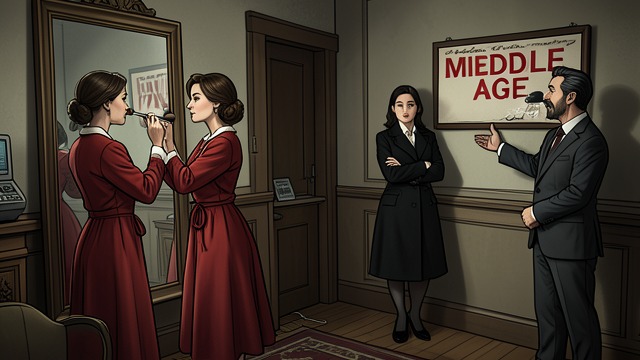
Bridget worries that widowhood and age have made her sexually irrelevant. The language used by her friends and acquaintances turns age into a public category that seems to determine whether a woman can still be desired.
Competing Strategies
Talitha recommends cosmetic changes and deliberate self-presentation, while others reject the idea that women must continually rebrand themselves. Bridget is caught between wanting to be seen and resenting the terms on which visibility is granted.
The Party Debate
The Market Metaphor
A Cruel Comparison
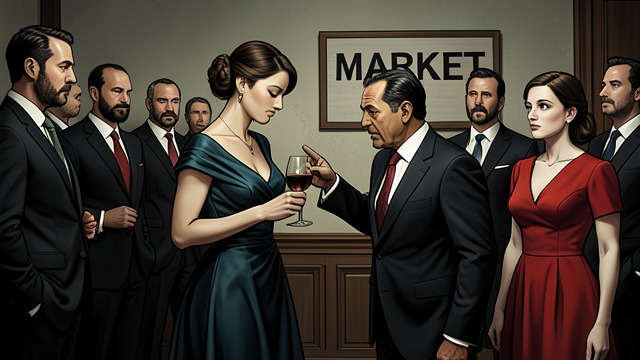
At a gathering, Cosmo and other guests describe men as having a better romantic market after divorce, while women of Bridget’s age are treated as less desirable. Their remarks reduce people to age, appearance, and presumed fertility.
A Defensive Lie
Bridget claims she has boyfriends rather than accept their assumptions. The lie protects her pride but reveals how thoroughly social judgment has made her private life feel like something she must justify.
The Toy-Boy Article

Stereotypes Become Personal
A Newspaper Narrative
After Roxster says he is confused about their relationship, Bridget reads an article portraying older women as predatory and younger men as damaged victims. Its generalizations turn her private fear into an apparently authoritative social judgment.
A Shaken Relationship
Bridget wonders whether she has used Roxster as an anti-aging accessory and whether their intimacy has harmed him. The article cannot explain their actual connection, but it makes her doubt her own motives at the worst possible moment.
Woney’s Rebranding
A Friend Changes Her Look
An Unexpected Choice
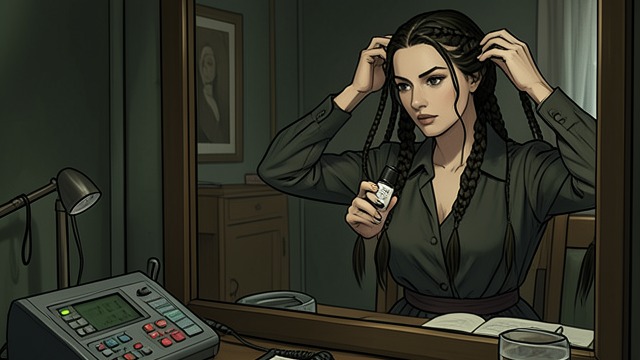
After seeing Roxster at Talitha’s party, Woney adopts hair extensions, a more revealing dress, and Botox. She tells Bridget that the encounter helped her reconsider how she wanted to appear.
No Single Answer
Woney’s decision complicates Bridget’s earlier view that refusing cosmetic change can express confidence and honesty. The women are not simply divided into liberated and vain; each negotiates appearance, desire, and social expectation in her own way.
A Wider Measure of Worth
Relationships Beyond Romance
A Broken Shell
Nicolette’s marriage crisis reveals that a polished appearance and managerial confidence cannot guarantee a stable private life. Bridget sees that people who appear composed may be carrying concealed disappointment.
Connection as Value
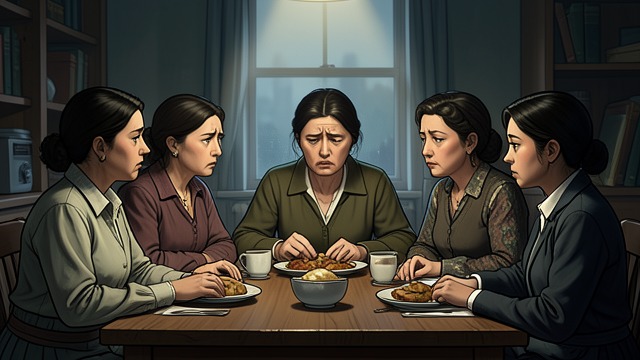
Friends gather at Bridget’s house, sharing food, sadness, and ordinary help. Their relationships provide care without requiring youth, marriage, or flawless performance, challenging the idea that romantic desirability is the only measure of a woman’s worth.
April 2012
September 2012
June 2013
June 2013
December 2013
